Bridging the gap: managing drainage risks during construction staging
Seemingly minor oversights in drainage management can have severe consequences, particularly given the complexities associated with interfacing temporary construction-phase drainage with permanent stormwater infrastructure.
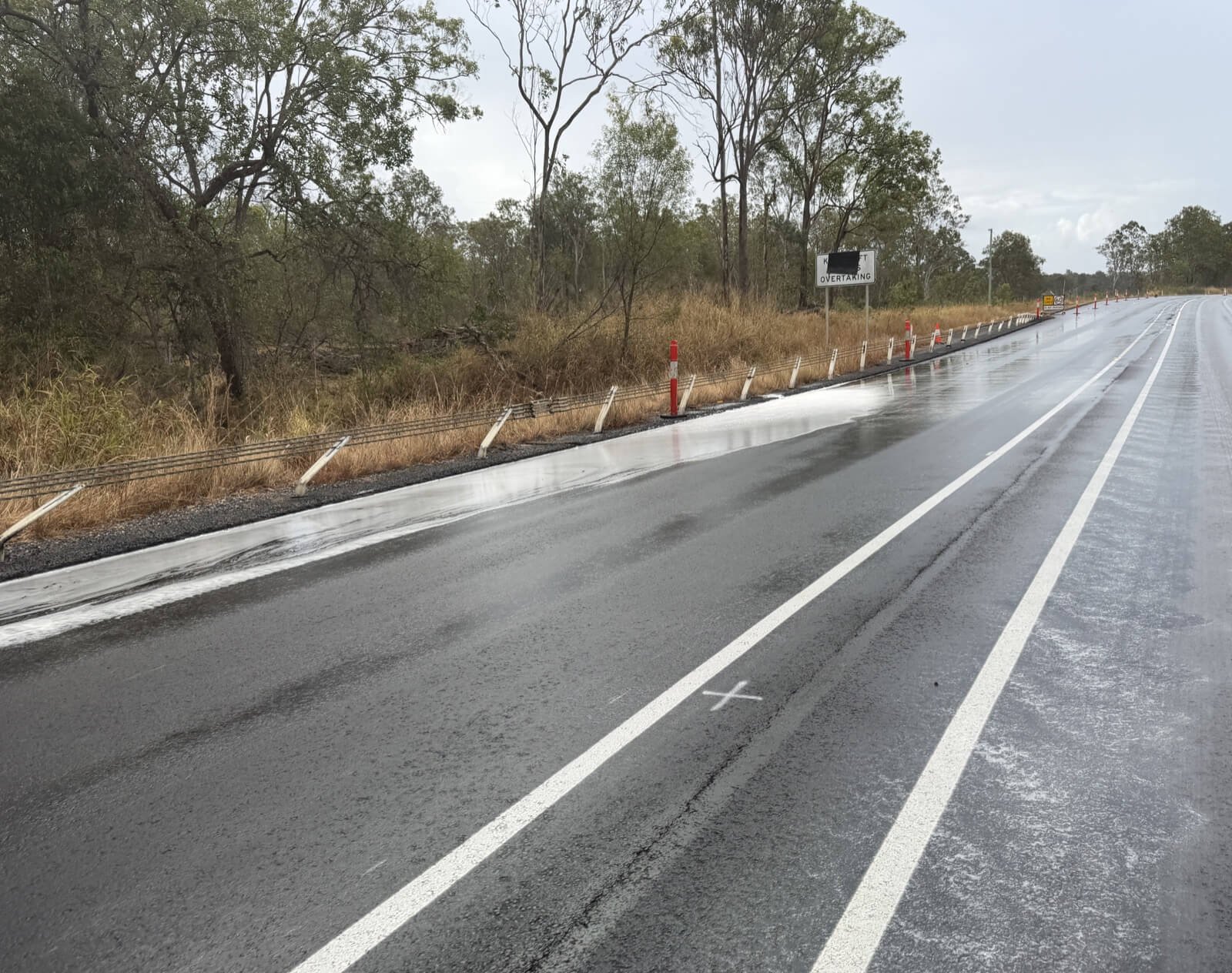
The transition between existing ground levels and drainage and the final design levels and stormwater infrastructure presents a period of considerable risk. These risks include concentrating additional runoff through exposed or disturbed areas, as well as the more obvious safety hazards associated with ponding or directing runoff to unintended locations.
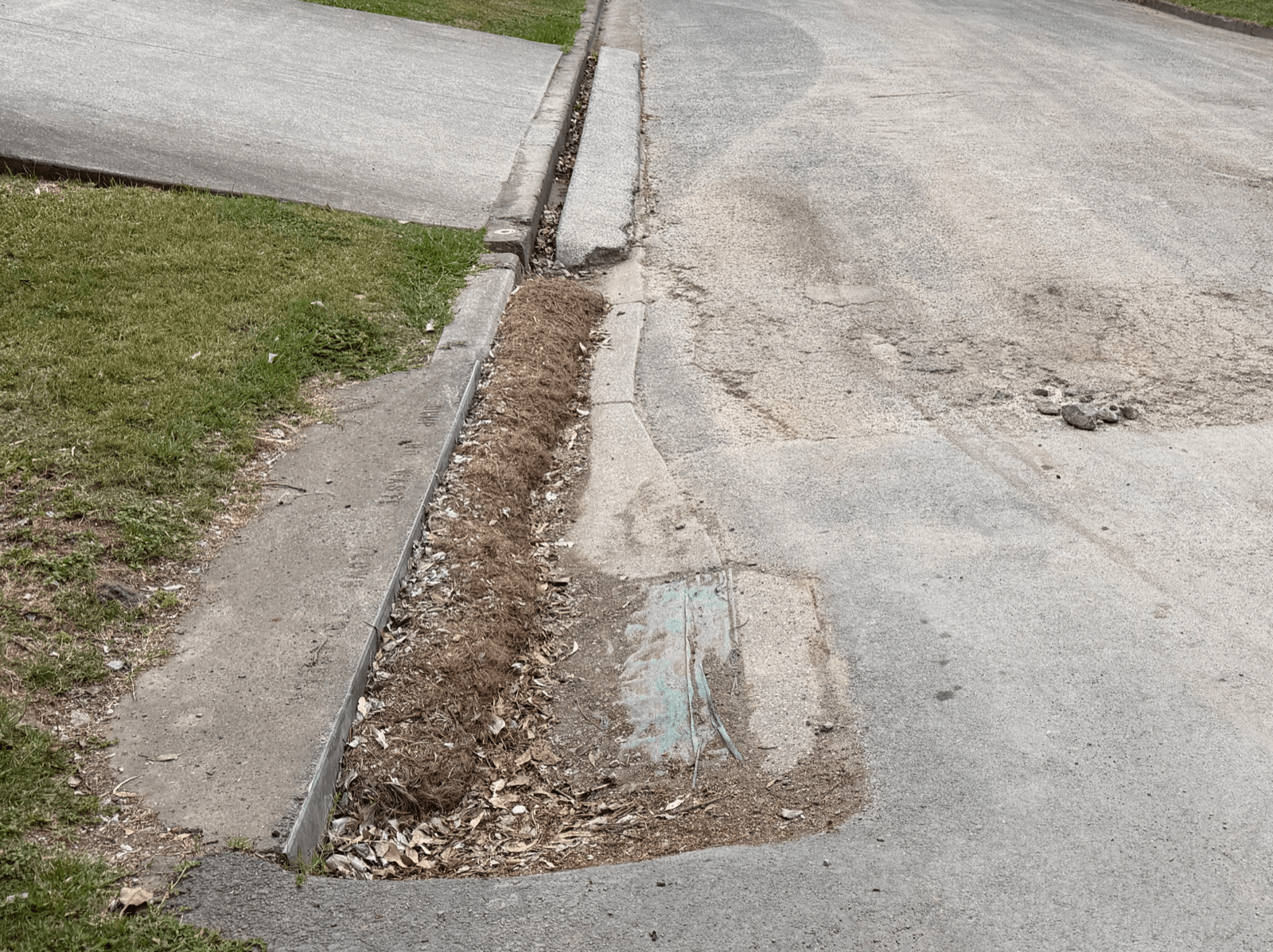
Traffic management staging adds further complexity. Existing stormwater infrastructure may be demolished or removed before new stormwater and drainage is operational, or the newly installed stormwater infrastructure may be incomplete or terminate at locations where downstream connections are dependent on future stages of construction.
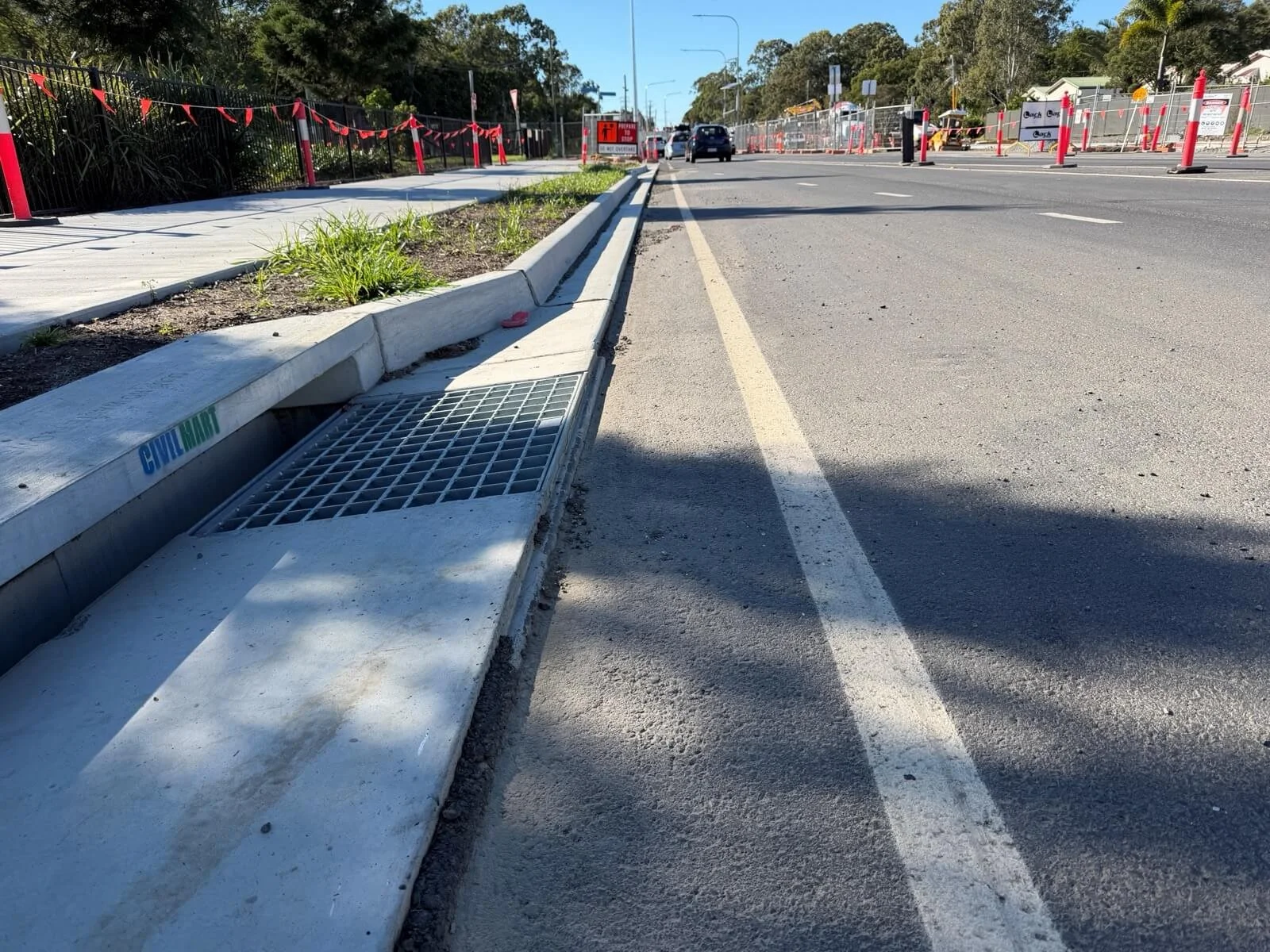
Compounding this issue, newly installed stormwater pit inlets are often set to the finished road surface level. Where the wearing course has not yet been placed, runoff may pond on the road surface before reaching the pit. There is also the recurring problem of well-intentioned but poorly informed personnel completely blocking stormwater pit inlets in an attempt to prevent sediment ingress, inadvertently eliminating critical drainage pathways.
Perceptive engineers will recognise these risks and ensure that:
Drainage is considered during construction planning and staging, ensuring that existing drainage pathways are maintained and works are sequenced to avoid creating stormwater dead ends or isolated drainage networks.
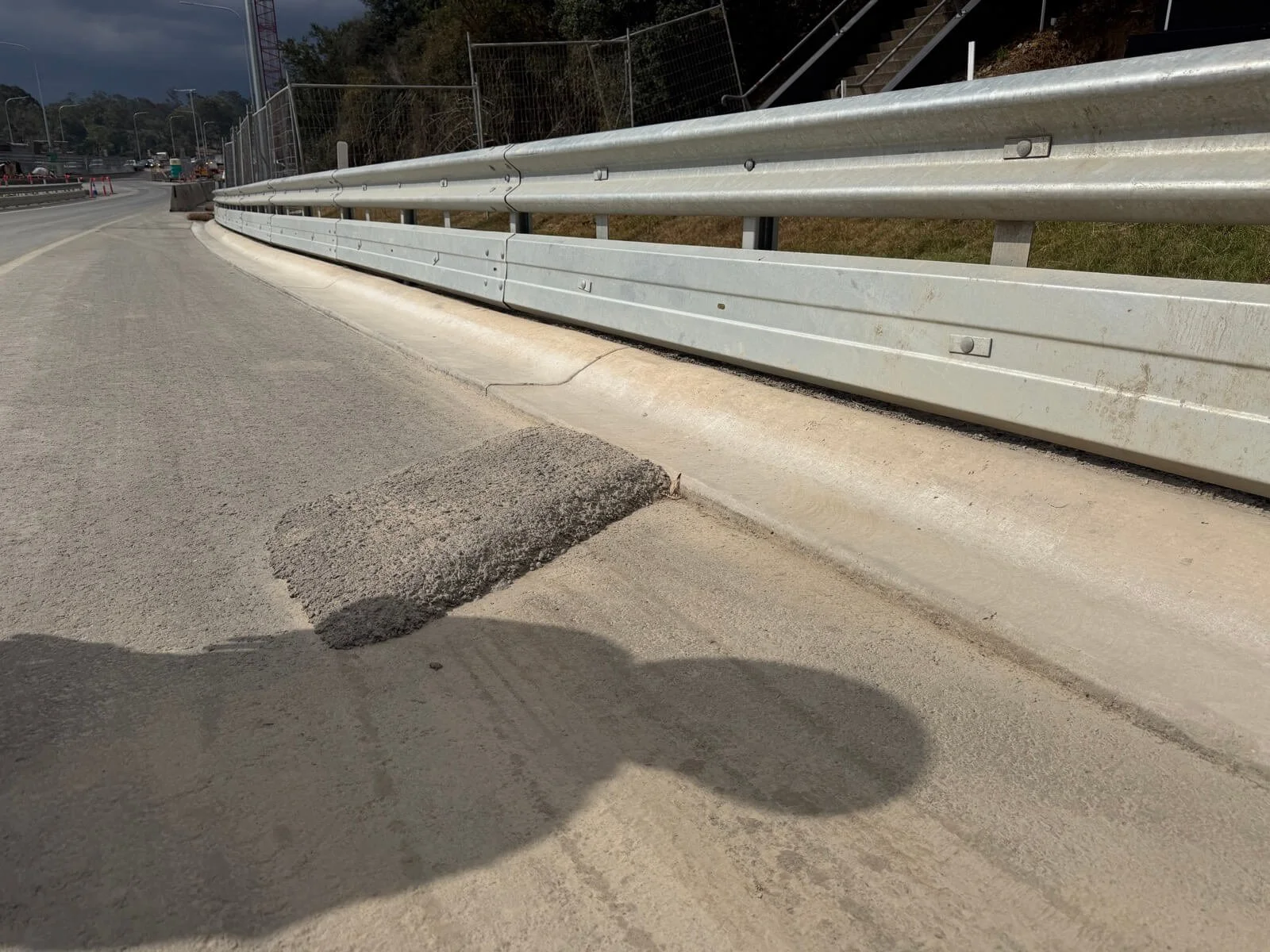
Interim or temporary drainage arrangements are provided to bridge the gap between existing and permanent drainage systems, maintaining effective conveyance throughout each stage of construction.
Stormwater pits remain functional during construction, with temporary inlet arrangements provided where necessary to accommodate differences between interim and finished surface levels. Temporary bunding or other surface drainage controls should be installed to direct runoff to the intended receiving pits, consistent with the contributing catchments assumed in the drainage design.
Ultimately, effective construction-phase drainage requires more than simply installing the permanent stormwater system in accordance with the drawings. It requires an understanding of how drainage conditions evolve throughout construction, and proactive management of the risks arising at each intermediate stage.